
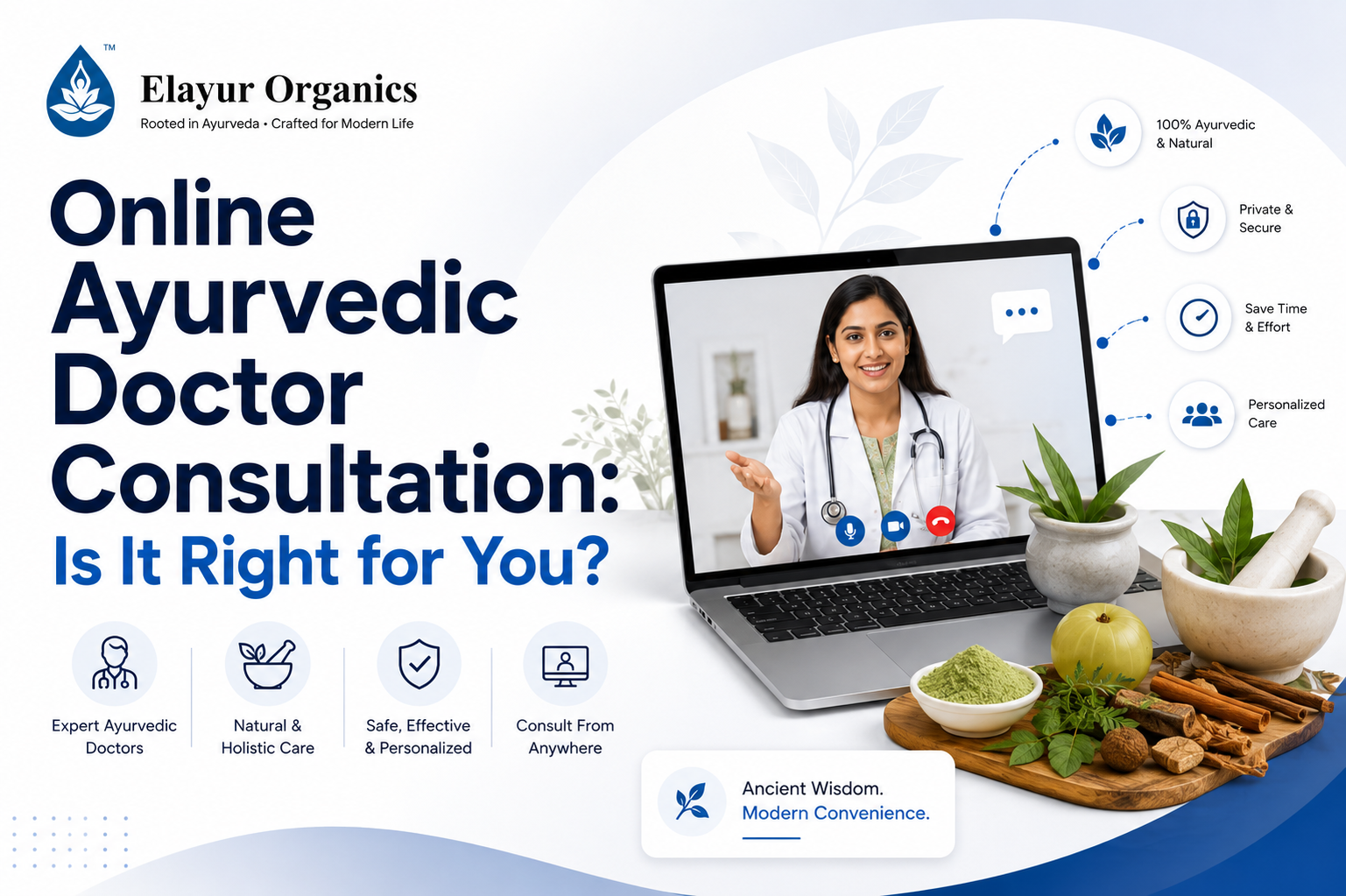
Online Ayurvedic Doctor Consultation: Is It Right for You?
You’ve probably typed ayurvedic doctor Delhi into Google at least once, only to close the tab because your schedule couldn’t fit a clinic visit between work, traffic, and everything else. That’s the exact gap an online ayurvedic doctor consultation is built to close. But convenience alone doesn’t tell you whether virtual Ayurveda actually works, or whether it’s the right fit for your specific health concern.
This isn’t a generic “yes, telehealth is great” piece. It’s a practical breakdown of when an online consultation with an ayurvedic medicine consultant genuinely helps, when it falls short, and how to set yourself up for a session that actually moves your health forward instead of producing another list of vague lifestyle tips.
Why This Question Matters More Than It Seems
Ayurveda isn’t a symptom-suppression system. A qualified Ayurvedic doctor doesn’t just ask “what hurts” and hand you a herbal substitute for a painkiller. They’re trying to map your prakriti (constitution), your current dosha imbalance, your digestion, sleep, stress load, and daily routine into one coherent picture.
Classical Ayurveda actually defines this examination process quite precisely, through what’s called trividha pariksha, or the three-fold examination: darshana (visual observation), prashna (questioning), and sparsha (touch). A traditional diagnosis draws on all three together, which raises a fair question when it comes to a video consultation: can a screen genuinely cover all three, or only some of them?
The honest answer is: for some things, yes. For others, not entirely. Knowing the difference is what separates a useful online consultation from a disappointing one.
What an Ayurvedic Doctor Can Actually Assess Over Video
A skilled Ayurvedic medicine consultant relies less on touch-based diagnosis (sparsha) alone and more on the other two pillars of trividha pariksha, darshana and prashna, because a structured conversation combined with careful visual observation covers a large part of what a consultation needs to establish. Over video, a doctor can reliably evaluate:
- Your reported symptoms, their timeline, and triggers (through prashna)
- Sleep quality, energy patterns, and stress response
- Digestive strength (agni) through detailed questioning
- Diet, meal timing, and food combinations
- Menstrual cycle patterns, in cases involving women’s health
- Skin, tongue, and visible signs through a clear camera view (through darshana)
What genuinely requires an in-person visit is direct pulse reading (nadi pariksha) and other forms of sparsha, such as physical palpation for certain gynecological or musculoskeletal conditions, along with any situation involving acute pain that needs immediate physical assessment. A responsible ayurvedic doctor in Delhi offering online consultations should tell you upfront if your case needs an in-clinic follow-up rather than trying to manage everything remotely.
Who Genuinely Benefits From Going Virtual
Not every health concern needs a physical exam to be understood. Online consultation tends to work exceptionally well for:
Chronic, lifestyle-driven conditions. Hormonal irregularities, PCOS/PCOD, digestive disorders like bloating or acidity, and stress-related issues are largely diagnosed through history and pattern recognition, not a single physical check.
Ongoing treatment management. Once an initial diagnosis is made, follow-ups to adjust dosages, review progress, and modify diet plans are often more efficient online than commuting for a five-minute check-in.
People outside Delhi or NCR. If you’ve been searching for an “ayurvedic doctor Delhi” from another city or even another country, a virtual session removes the travel barrier entirely while still giving you access to experienced Delhi-based practitioners.
Preventive and wellness consultations. If you’re not managing an acute illness but want a dosha assessment, seasonal routine (ritucharya) guidance, or general wellness direction, video works just as well as an in-person visit.
Where a Clinic Visit Still Wins
Be cautious about relying solely on a virtual consultation if you’re dealing with acute abdominal pain, unexplained bleeding, suspected structural issues like fibroids or tubal blockages that need physical or imaging correlation, or any symptom that’s rapidly worsening. These are cases where sparsha, the touch-based part of trividha pariksha, genuinely can’t be skipped. In these situations, a first in-person visit to confirm diagnosis, followed by online follow-ups, is the smarter sequence.
A Simple Framework Before You Book
Ask yourself three questions before choosing between online and in-clinic:
- Is this a new, unexplained, or acute symptom? If yes, lean toward an in-person first visit.
- Is this a known, ongoing, or lifestyle-pattern issue? Online works well.
- Do I need physical diagnostics like pulse reading or palpation? If yes, a hybrid approach (start in-clinic, continue online) is ideal.
How to Prepare So Your First Session Isn’t Wasted
Most people lose the first ten minutes of their consultation to disorganization. Avoid that with a short prep list:
- Write your top 3 symptoms with how long you’ve had them, not a vague “I’ve been unwell”
- Note your typical daily routine, including wake time, meals, and sleep
- Keep recent lab reports or scans ready as PDFs to share on screen
- List current medications or supplements, including over-the-counter ones
- Test your camera and internet beforehand, and sit somewhere with good natural light so the doctor can actually observe your skin and eyes clearly during the darshana part of the assessment
Common Mistakes People Make With Online Consultations
Treating it like a quick chat instead of a proper medical visit. Give it the same seriousness you would a clinic appointment; rushing through symptom history gives the doctor less to work with.
Expecting instant results. Ayurvedic treatment plans typically show meaningful change over weeks, not days. If a consultant promises overnight fixes, that’s a red flag, not a reassurance.
Skipping the follow-up. Ayurveda adjusts as your body responds. Missing follow-up sessions is the most common reason people feel “Ayurveda didn’t work” when the actual issue was an incomplete treatment cycle.
What to Look For in the Right Practitioner
Credentials matter here more than marketing. Look for a BAMS (Bachelor of Ayurvedic Medicine and Surgery) qualification at minimum, registration with a state Ayurvedic council, and clear communication about what the consultation can and can’t diagnose remotely. A trustworthy ayurvedic medicine consultant will also be transparent about herbal formulations, expected timelines, and when they’d recommend an in-person visit instead of pushing every case online.
The Bottom Line
An online ayurvedic doctor consultation isn’t a compromise version of the real thing; it’s simply a different delivery model that suits certain conditions better than others. Two-thirds of trividha pariksha, darshana and prashna, translate well to video, while the third, sparsha, is where a clinic visit still has the edge. For chronic, lifestyle, and follow-up care, it often works as well as sitting across the table. For acute or physically complex conditions, treat it as the first step, not the entire journey.
If you’re deciding whether to book your first session, start by matching your symptom type against the framework above rather than defaulting to whichever option feels more convenient. Elayur Organics believes good Ayurvedic care starts with the right format for your specific condition, not a one-size-fits-all consultation model, and that clarity is worth more than convenience alone.





Add comment